Activities
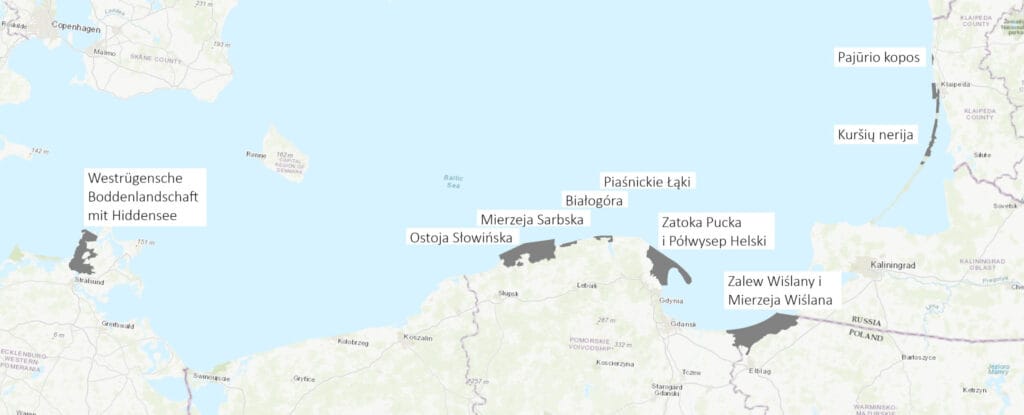
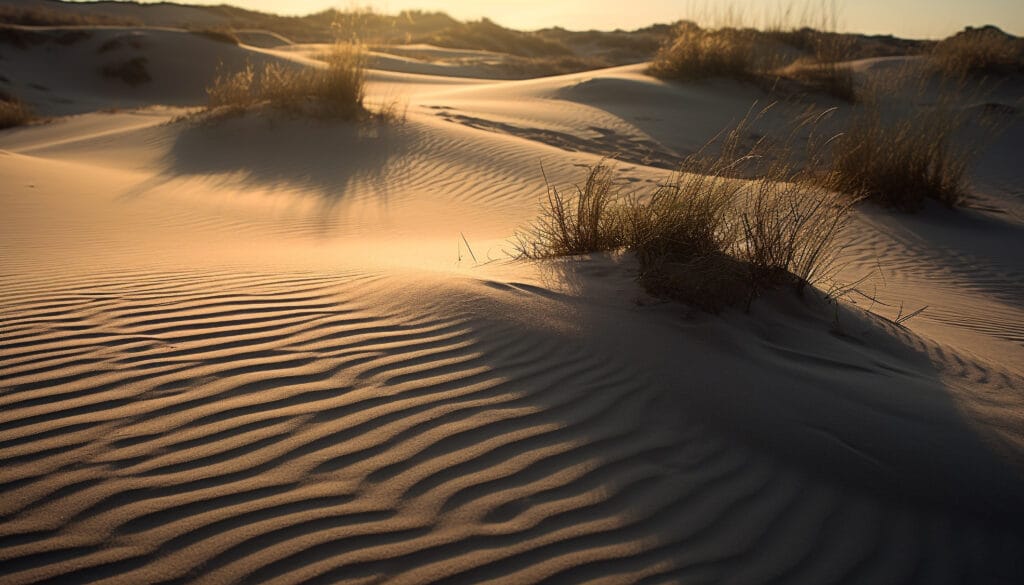
The LIFE for Dunes project covers nine Natura 2000 sites on the coasts of Poland, Germany, and Lithuania, where we are conducting comprehensive renaturation activities on a total area of over 138,000 hectares.
Our work focuses on restoring the natural character of dune habitats through the removal of invasive species, scientific research, and public education.
In Poland, we carry out work in six areas with a total area of 104,365 ha, including 5,671 ha of dune habitats, of which 107 ha will be renaturalized. In Germany, we operate in one area covering 23,304 ha, with 304 ha of dune habitats and 61 ha designated for restoration. In Lithuania, we cover two areas with a total area of 10,472 ha, where dune habitats cover 1,425 ha, and the planned renaturation covers as much as 1,670 ha – the largest area in the entire project.
Areas of activity
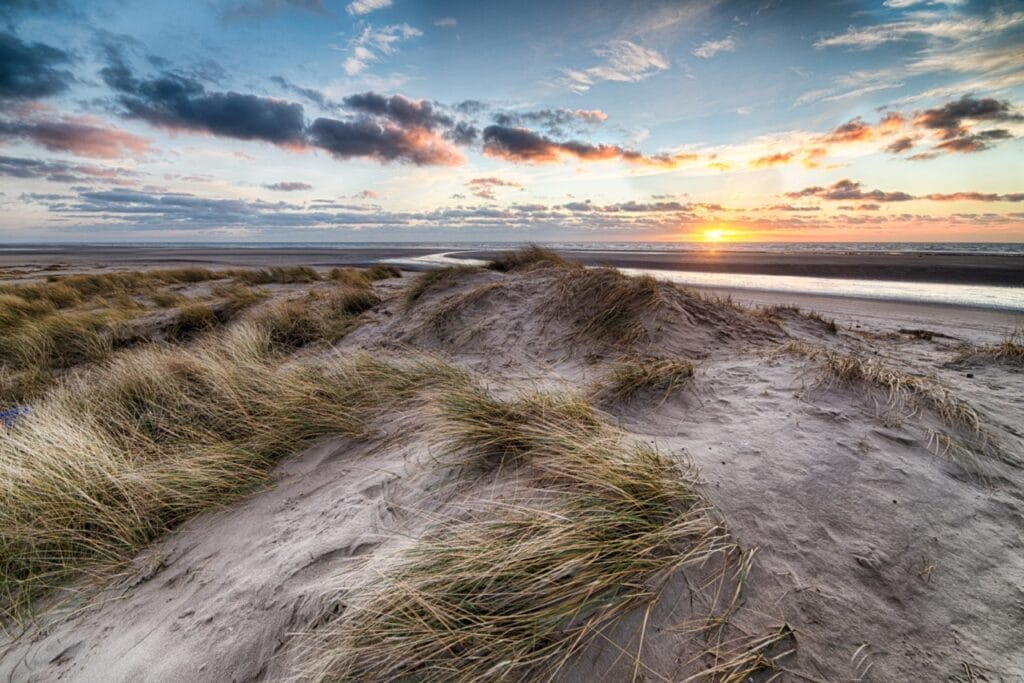
🇱🇹 LTKLA0009 Wydmy nadmorskie
Koncentracja różnorodności - aż 10 typów siedlisk wydmowych o znaczeniu europejskim na niewielkiej powierzchni.
🇱🇹 LTNER0005 Mierzeja Kurońska
Wąska Mierzeja Wiślana (średnia szerokość 1,5 km) z potężnymi formami wydmowymi i towarzyszącymi zagłębieniami międzywydmowymi, nieckami i deflacjami.
🇵🇱 PLH280007 Zalew Wiślany i Mierzeja Wiślana
Wąska Mierzeja Wiślana (średnia szerokość 1,5 km) z potężnymi formami wydmowymi i towarzyszącymi zagłębieniami międzywydmowymi, nieckami i deflacjami.
🇵🇱 PLH220032 Zatoka Pucka i Półwysep Helski
36-kilometrowy Półwysep Helski o zmiennej szerokości (od wąskiej zachodniej części po 3-kilometrową wschodnią). Zróżnicowana rzeźba z wydmami sięgającymi 23 m n.p.m.
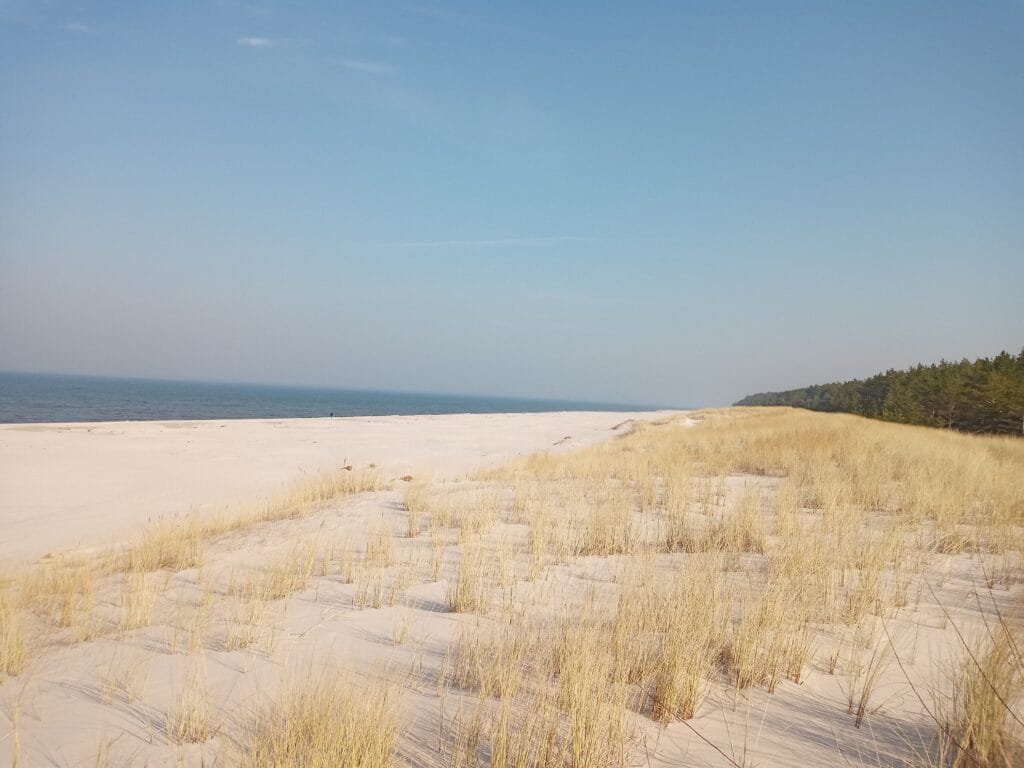
🇵🇱 PLH220021 Piaśnickie Łąki
Mozaika wydm przybrzeżnych i hydrogenicznych równin z zagłębieniami doliny Piaśnicy. Wśród 10 typów siedlisk wyróżniają się kompleksy wydmowe (2120, 2130).
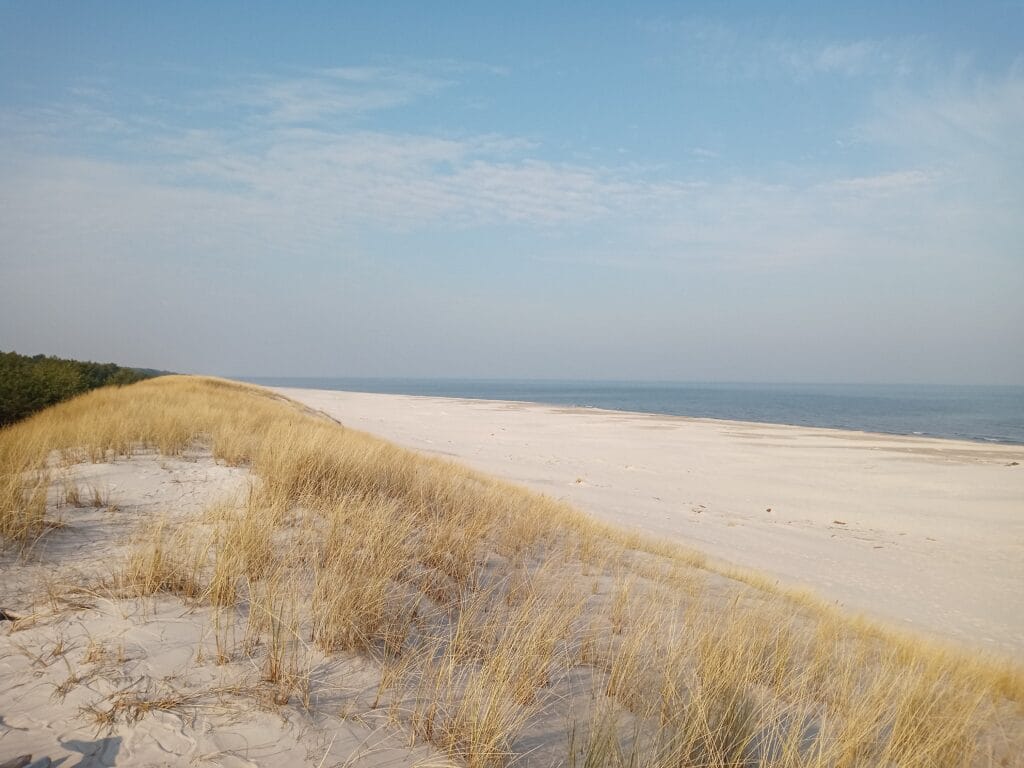
🇵🇱 PLH220003 Białogóra
Fragment Mierzei Słowińskiej ze spektakularnymi wydmami parabolicznymi i zagłębieniami deflacyjnymi. Wydmy porośnięte lasem bagiennym i brzozą, wyższe partie z borami borówkowymi.
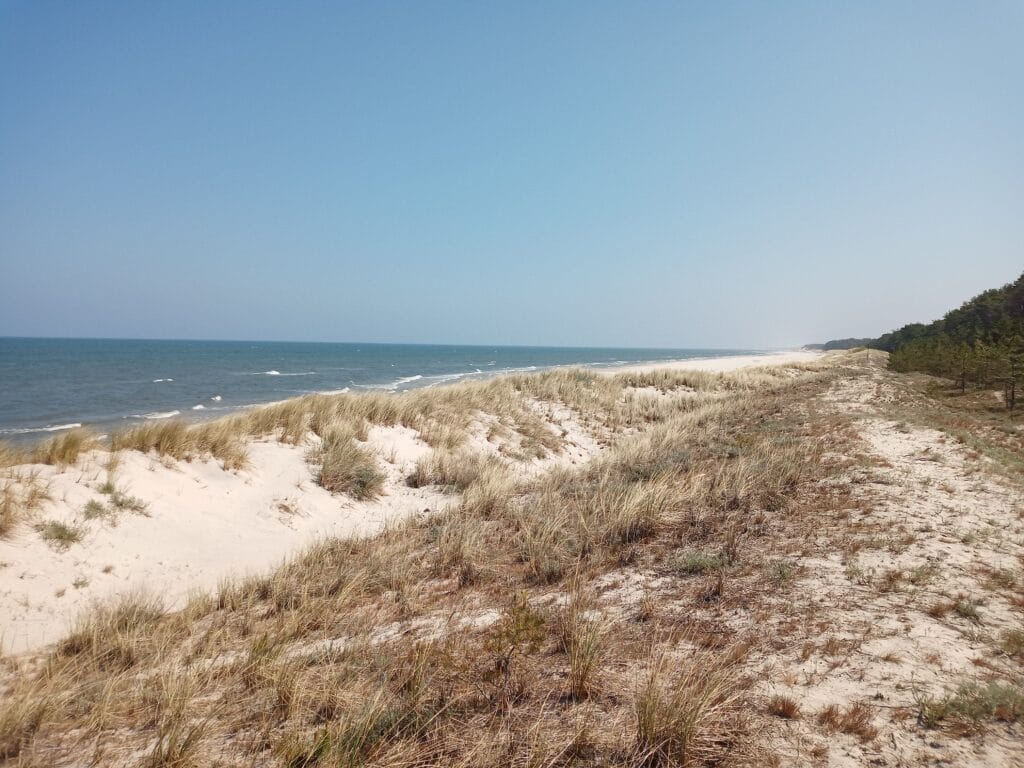
🇵🇱 PLH220018 Mierzeja Sarbska
Unikalny kompleks wydm grzbietowych i parabolicznych z priorytetowym jeziorem Sarbsko (siedlisko lagunowe 1150). Dominują lasy bagienne o różnej wilgotności.
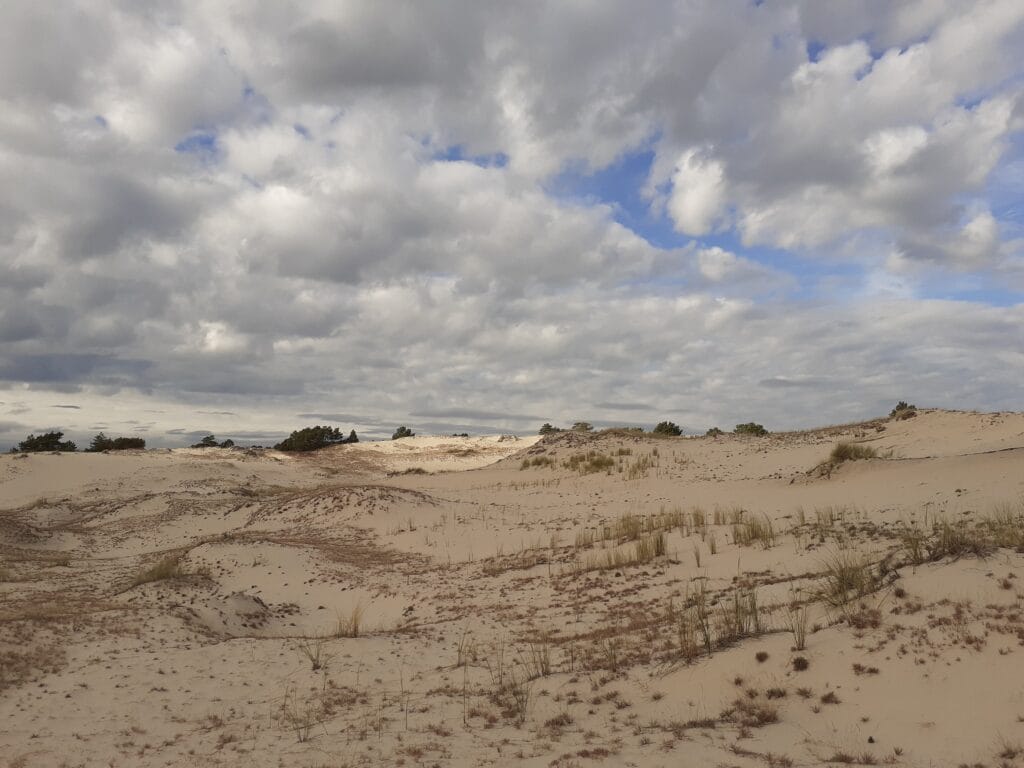
🇵🇱 PLH220023 Ostoja Słowińska
Jedyny w Europie kompleks ruchomych wydm śródlądowych. Ten naturalny skarb kontynentu obejmuje 30 km wybrzeża, cztery jeziora i unikatowy system wydmowy.
🇩🇪 DE1544302 Zachodniorugijski Krajobraz Lagun z Hiddensee
Wyjątkowy obszar charakteryzujący się wysoką dynamiką wiatru i sukcesją zagrożonych siedlisk.
Four pillars of our activities
Habitat restoration
Improving the conservation status of dune habitats includes removing invasive species, protecting vegetation after renaturation measures, and rejuvenating dunes by stimulating natural processes. These measures are complemented by the restoration of protected species and systematic monitoring of the effectiveness of all field work.
RESEARCH AND STABILITY ANALYSIS
The use of science in dune protection is based on the analysis of coastal processes (erosion/accumulation) and the modeling of shoreline changes in the short and long term. The research includes assessing dune stability in the context of climate change, testing innovative methods of controlling invasive species, and developing a methodology for monitoring using drones for more effective protection of dune habitats.
INSTITUTIONAL COOPERATION
Our project activities are based on a multifaceted approach to issues related to the Baltic Sea coast. We believe that building a network of cooperation with numerous institutions and combining their experience and knowledge with the needs of dune protection is the basis for the project's results. We intend to expand our knowledge and improve our renaturation activities and their continuous review by establishing a Project Scientific Council and an Advisory Committee with European experts involved in similar LIFE projects. Ongoing cooperation with state authorities and institutions managing coastal habitats and protected areas allows us to ensure a broad context for the project and to take into account the best possible responses to project challenges for all parties. Meetings with local communities and local authorities and the dissemination of research results among all those responsible for the protection and management of the coastal zone are key.
EDUCATION AND COMMUNICATION
We raise public awareness through documentary films and webinar materials, radio broadcasts and podcasts on dune protection, and educational workshops for various social groups. The program is complemented by press articles and popular science lectures as well as campaigns to change attitudes towards dunes, which aim to shape responsible behavior when using dune areas.
Renaturation methods in practice
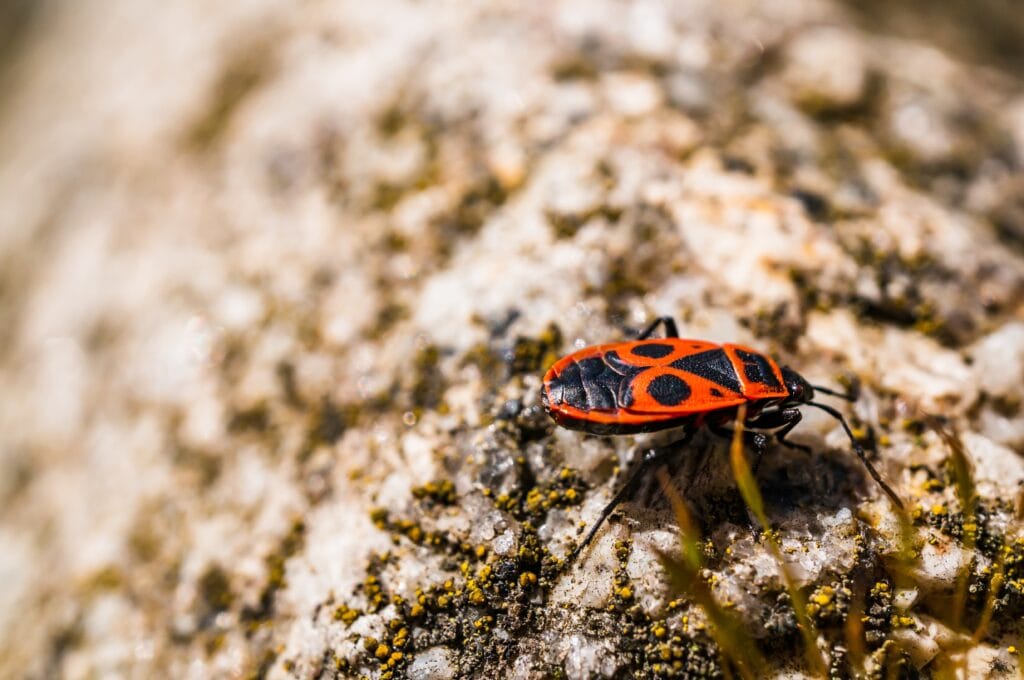
Removal of invasive species
- Mechanical root excavation
- Multi-stage removal of regrowth
- Testing of various elimination methods
- Mapping of distribution using remote sensing
Post-procedure protection
- Installation of protective fencing
- Planting of native species
- Stabilization of the substrate after removal of invasive plants
- Monitoring of vegetation regeneration
Rejuvenation of sand dunes
- Stimulation of natural aeolian processes
- Removal of excessively dense vegetation
- Creation of “windows” for pioneer vegetation
- Restoration of natural habitat dynamics
Badania i ich praktyczne zastosowanie
Opracowanie nr 1
Lorem ipsum dolor sit amet, consectetur adipiscing elit. Ut elit tellus, luctus nec ullamcorper mattis, pulvinar dapibus leo.
Opracowanie nr 2
Lorem ipsum dolor sit amet, consectetur adipiscing elit. Ut elit tellus, luctus nec ullamcorper mattis, pulvinar dapibus leo.
Opracowanie nr 3
Lorem ipsum dolor sit amet, consectetur adipiscing elit. Ut elit tellus, luctus nec ullamcorper mattis, pulvinar dapibus leo.
Co udało nam się osiągnąć
Powierzchni odnowionej w ramach renatuturyzacji
Usunięte gatunki inwazyjne
Ilość osobników gatunków rodzinnych, które udało się przywrócić
Przeszkolonych wolontariuszy, którzy wzieli udział w projekcie
Zorganizowanych warsztatów edukacyjnych
Ton śmieci, któru udało nam się usunąć z bałtyckich plaż
Natura 2000 sites covered by the project